
Rewiring a house means replacing old electrical wiring with new wiring. This work improves safety and supports modern appliances. Knowing how much it costs helps homeowners plan their budgets. This article explains the main factors that affect the cost of rewiring a house. It also offers examples and useful tips.
What Is House Rewiring?
House rewiring is the process of removing the old electrical system and installing new cables, sockets, and electrical panels. This work includes updating consumer units, light fittings, and switches. Rewiring ensures the electrical system meets current safety standards. Many old houses need rewiring because old wires can short-circuit or cause electrical fires.
Factors That Affect the Cost
The total cost of rewiring a house depends on several factors. These determine how much labor and materials will cost. The main factors include:
Size of the House
The size of the home affects the length of wiring needed. Larger homes require more wire and more work. A small flat might cost less than $3,000 to rewire, while a large house might cost more than $10,000.
Number of Rooms
More rooms mean more light fittings, sockets, and switches to install or replace. A house with many rooms will take longer to rewire.
Type of Wiring
Modern wiring types cost more than older styles. Copper wiring is standard but some homes may use aluminum wiring, which can be cheaper but less durable.
Condition of Existing Wiring
If the existing wiring is in very poor condition, electricians spend more time removing old wires safely. This can increase labor costs.
Access to Electrical Panel
If the consumer unit or fuse box needs replacement or upgrading, it will add to the cost. Moving the panel to a new location also increases costs.
Labor Costs
Labor costs vary by region and electrician experience. Urban areas often have higher rates than rural ones.
Additional Features
Adding extra circuits or special requirements, such as wiring for smart home devices, keeps prices higher.
Average Cost to Rewire a House
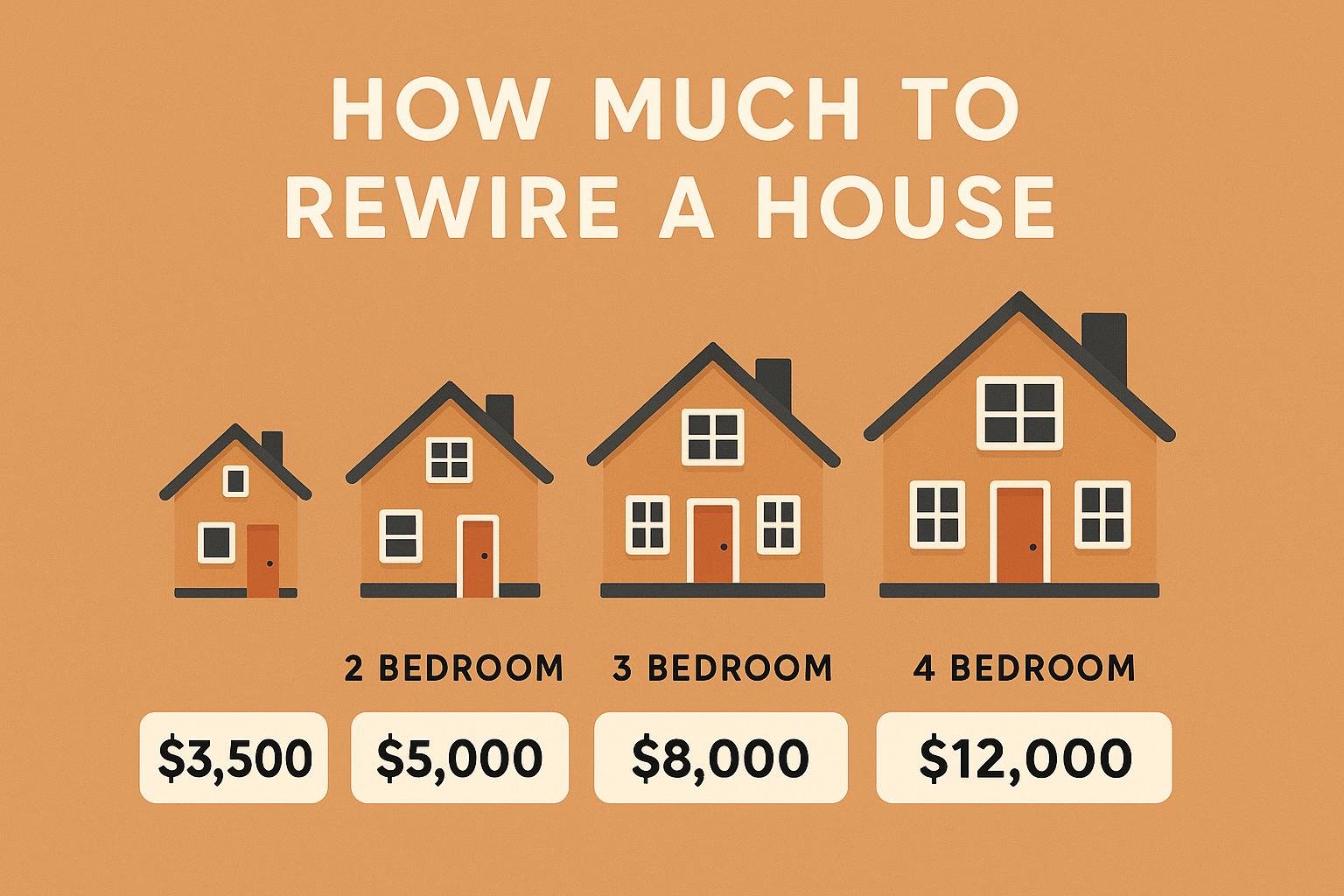
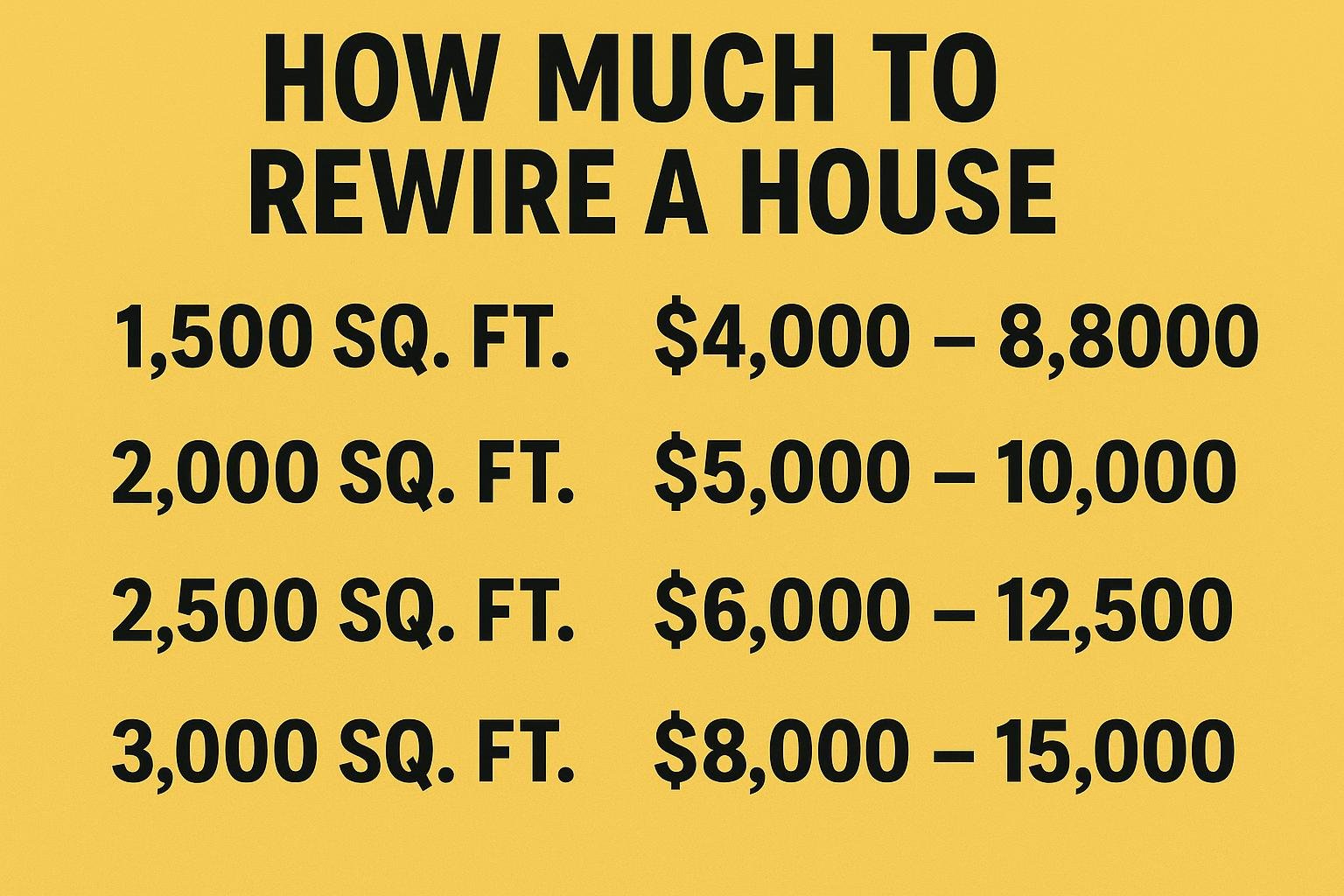
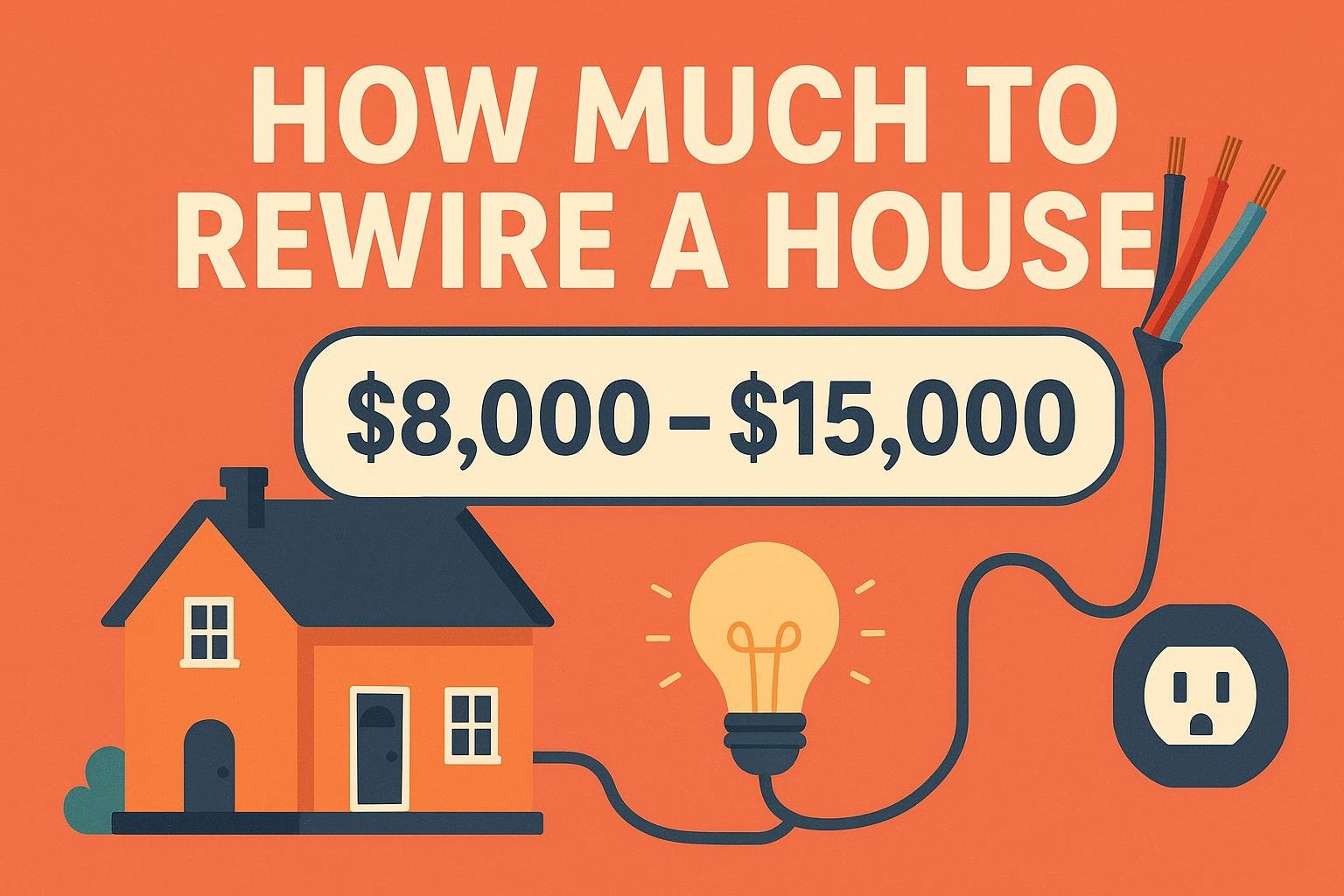
The average cost for full house rewiring ranges from $4,000 to $12,000 in the United States. Small to medium homes commonly cost between $4,000 and $8,000. Larger homes with complex electrical layouts might exceed $12,000.
In the UK, prices generally range from £3,000 to £10,000 for a complete rewire. Older homes with plaster walls or multiple floors may face higher costs due to difficulty in running cables.
For more detailed price estimates per room size or property type, you can visit HomeAdvisor.
Costs by House Size or Type
Here is a rough cost breakdown by house type:
| House Type | Average Cost (USD) | Notes |
|————————-|——————-|———————————–|
| Small Apartment (1-2 BR)| $3,000 – $5,000 | Limited wiring, easy access |
| Medium House (3 BR) | $5,000 – $8,000 | Average size, standard rewiring |
| Large House (4+ BR) | $8,000 – $12,000+ | More rooms and wiring complexity |
| Older Houses | +10-20% more | Difficult installation |
Costs will vary by location and electrician. Always get multiple quotes.
Why Rewire a House?
Rewiring improves home safety and electrical performance. Old wiring can cause:
- Electrical fires
- Frequent power outages
- Insufficient power for modern appliances
- Faulty switches or outlets
Rewiring updates your home to current electrical codes. It also increases property value and reduces insurance risks.
How Long Does Rewiring Take?
Rewiring a typical 3-bedroom house usually takes 4 to 7 days. Larger homes take longer. The process involves:
- Removing old wiring
- Installing new wiring and outlets
- Testing and inspecting the system
Electricians work carefully to minimize damage. Some repairs like replastering walls may be needed after rewiring.
How to Prepare for Rewiring
Preparing your house can save time and money during rewiring. Steps include:
- Clearing furniture and valuables from work areas
- Discussing the rewiring plan with your electrician
- Planning for temporary power loss during work
- Making arrangements to stay elsewhere if needed
Clear communication helps the project run smoothly.
Pros and Cons of Rewiring
Pros
- Improved safety and reduced fire risk
- Increased electrical capacity for appliances
- Better home resale value
- Compliance with electrical codes
Cons
- High upfront cost
- Inconvenience during work
- Possible plaster and paint repairs required
- Requires hiring a licensed electrician
Tips for Hiring an Electrician
- Hire licensed and insured electricians
- Ask for multiple quotes
- Check customer reviews
- Confirm timeline and payment terms
- Ensure warranty on work performed
Reliable electricians make the process safer and more efficient. Visit Electrical Safety Foundation International (ESFI) to learn more about certified electricians.
Related Topics and Further Reading
For more information about home rewiring, visit:
- National Fire Protection Association (NFPA) for electrical safety guidelines.
- HomeAdvisor’s guide on rewiring for cost details.
- This page explaining how much to rewire a house.
Summary
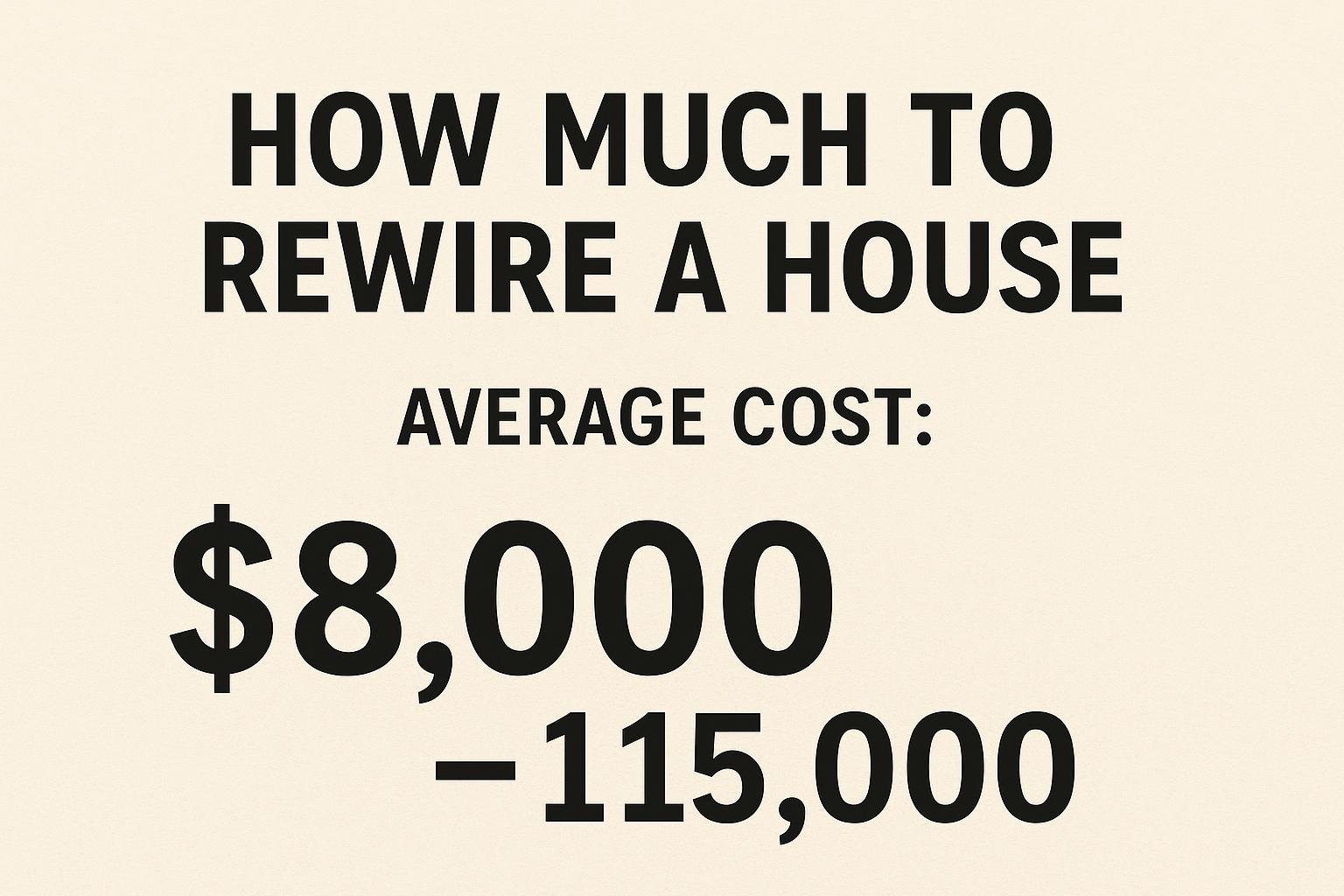
Rewiring a house costs between $3,000 and $12,000 or more depending on size, condition, and location. It improves safety and electrical performance but requires a careful budget and plan. Homeowners should hire licensed professionals and prepare their homes before work starts. This investment protects homes and residents for years to come.