
Braided hairstyles have been around for centuries, admired for their beauty, functionality, and versatility. Among the most popular and timeless styles are the French braid and the Dutch braid. While they may appear similar at first glance, these two braids are actually quite different in terms of technique, appearance, and the overall vibe they create.
What Is a French Braid?
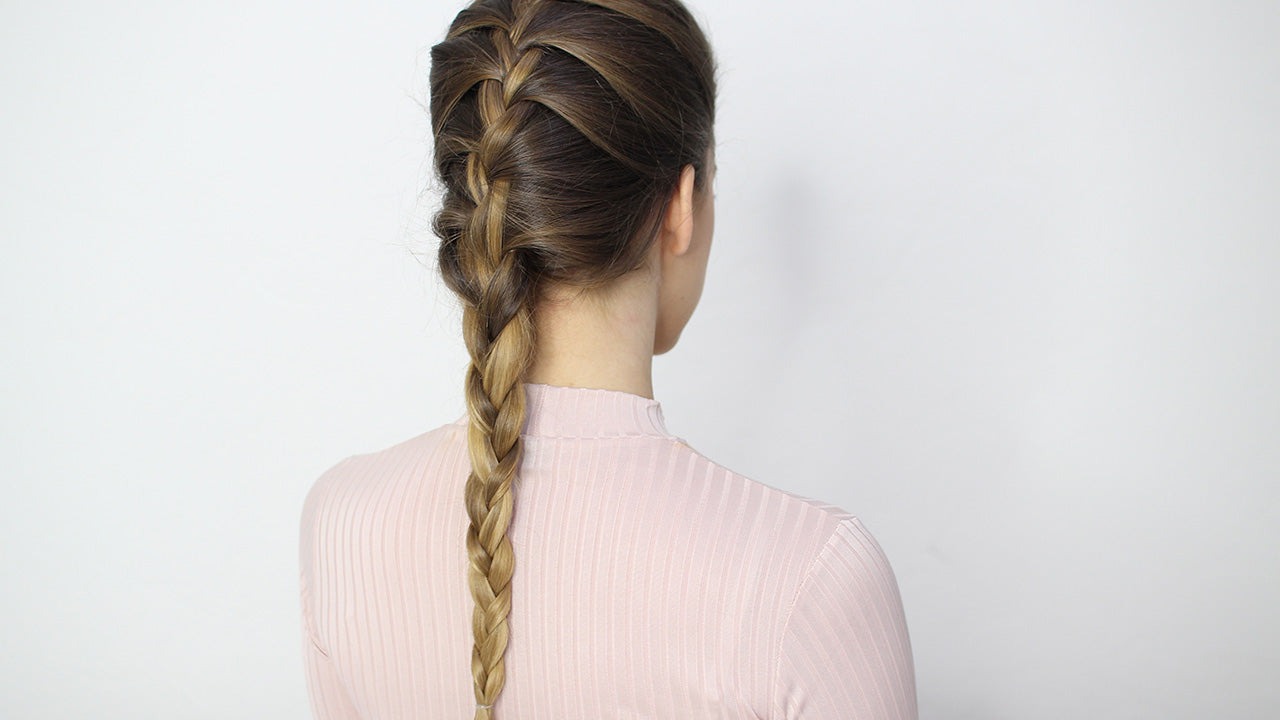
A French braid is a classic and elegant hairstyle that begins at the top of the head and continues downward by gradually incorporating hair from each side as you braid. This type of braid lies flat against the scalp, giving it a smooth and woven appearance. It’s commonly used for everything from casual everyday looks to special occasions like weddings and formal events.
To create a French braid, you begin with three sections of hair at the crown of your head. You start a basic braid, but with every new crossing of the strands, you add a little more hair from the sides. As you continue, more of your hair becomes part of the braid, and it travels neatly down the back of your head. The result is a graceful, sleek braid that stays close to your scalp.
French braids are not only beautiful but practical too. They keep your hair neatly in place and work well for various settings whether you’re heading to the office, going to school, working out, or attending a fancy dinner.
What Is a Dutch Braid?
The Dutch braid is often referred to as the “reverse French braid” because of how it is constructed. Instead of crossing the hair strands over the center like in a French braid, the Dutch braid requires you to cross the strands underneath. This causes the braid to pop out from the scalp, giving it a raised, 3D appearance.
When you begin a Dutch braid, you also start with three sections of hair at the crown. However, with each step, you bring in additional hair from the sides and cross it under the middle strand, instead of over. This underhand technique creates a defined, textured braid that stands out visually and adds more dimension to the hairstyle.
Dutch braids are bold and stylish, often used in trendier or edgier looks. They’re especially popular at music festivals, sports events, or for individuals looking to add flair and volume to their hairstyle.
Appearance and Style Differences
The biggest difference between the two braids is their final appearance. A French braid blends smoothly with the scalp and tends to look neat, flat, and elegant. It gives off a refined, graceful vibe. On the other hand, a Dutch braid creates a more pronounced and elevated braid that stands out. The Dutch braid has a more eye-catching, bold look, which makes it ideal when you want your hairstyle to be the focal point.
Although they are created using a similar sectioning and braiding method, reversing the direction of how the hair strands are woven completely changes the outcome. Where the French braid is subtle and understated, the Dutch braid is defined and striking.
Learning Curve and Technique
For beginners, both braids may feel challenging at first. Some people find French braiding easier because the “over” method feels more natural, while others prefer Dutch braiding since the underhand method makes the braid easier to see and adjust while braiding.
With some practice, both styles can be mastered fairly quickly. Once you get comfortable with the basic technique, you can create beautiful braids in just a few minutes.

Hair Type and Volume
Choosing between the two can also depend on your hair type. If you have fine or thin hair, a Dutch braid might be more suitable because it adds the appearance of volume and thickness. The raised nature of the Dutch braid creates a fuller effect, which can be helpful for those looking to boost the look of their hairstyle.
On the other hand, if you have thick or curly hair and want a more sleek, polished appearance, the French braid may work better. It helps to control the bulk of the hair and offers a tidy, secure style that stays in place for hours.
For naturally curly hair, both styles are great options. The Dutch braid highlights texture and depth, while the French braid gives structure and neatness to naturally wavy or curly locks.
When to Wear Each Style
French braids are versatile and suitable for almost any situation. Whether you’re heading to a business meeting, attending a wedding, or simply want a pretty hairstyle for the day, the French braid always fits the mood. It’s also ideal for formal updos, bridal hairstyles, or when you want to achieve a soft, romantic look.
Dutch braids, by contrast, are best when you want your hairstyle to stand out. They’re great for more modern and edgy outfits, street fashion, and youthful events like concerts or parties. They’re also a favorite among fitness enthusiasts and athletes because they hold the hair tightly and look stylish even during intense activities.
Can You Combine French and Dutch Braids?
Yes, and that’s part of the fun. Many hairstylists and braid lovers mix both techniques in creative ways. For example, you can start with a French braid at the top of your head and transition into a Dutch braid halfway down. You can also braid one side of your head using a Dutch braid and the other with a French braid for an artistic, asymmetrical look.
This kind of creativity lets you customize your hairstyle to fit your personality and the occasion. It also shows just how flexible these braiding methods can be once you’ve mastered the basics.
Popular Styling Variations
Once you’re comfortable with either braid, you can start experimenting with different styles and variations. Both French and Dutch braids can be incorporated into buns, ponytails, crowns, or half-up hairstyles. You can wear a single braid down the back, or try double braids for a sportier or more youthful feel.
Dutch braids are commonly used in trendy styles like boxer braids, puffy crown braids, or braided mohawks. French braids are often styled into soft crown braids, side-swept updos, or elegant half-up styles with loose waves.
Each offers its own unique touch, and the possibilities are endless depending on your creativity and mood.
Conclusion
While the French braid and Dutch braid might look similar at a glance, they offer very different results and styling opportunities. The French braid is elegant, timeless, and blends smoothly into the hair, making it perfect for formal events or daily wear. The Dutch braid stands out, adds volume, and creates a more dramatic and trendy look that’s great for casual or bold styles.
Whether you’re choosing a braid for a special occasion or just want to spice up your everyday hairstyle, understanding the difference between these two classic braids will help you achieve the perfect look. Both are beautiful, versatile, and worth learning and once you master them, the styling options are endless.