
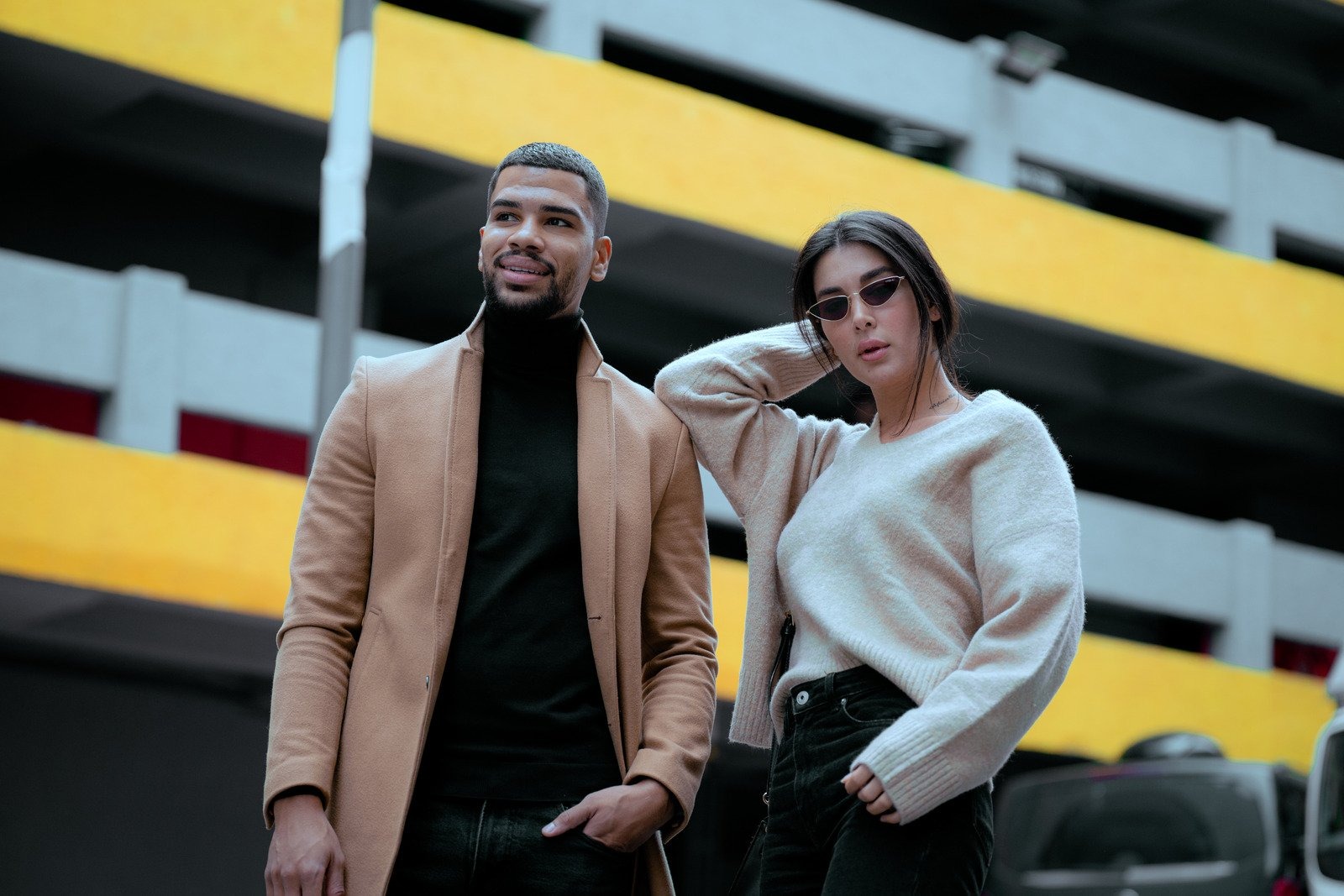
There’s a quiet kind of power in getting dressed each day a subtle way we communicate with the world before we ever say a word. What we wear often speaks louder than we think. It reflects our mood, our beliefs, our culture, and most importantly, our sense of self. And while trends come and go, fashion as a form of self-expression has always remained timeless.
In a world saturated with influencers, fast fashion hauls, and ever-changing style rules, it’s easy to lose sight of what dressing for yourself really means. Yet the most memorable fashion statements are rarely the loudest or the most expensive they’re the most authentic. They’re the ones where identity and style meet, where confidence isn’t borrowed from a magazine page but rooted in personal truth.
Fashion as Personal Storytelling
Our clothes are more than fabric; they’re chapters of our personal stories. Whether it’s a hand-me-down jacket from a grandparent, a piece that reminds us of home, or a favorite color that makes us feel alive, fashion has the power to carry memory and meaning. When we choose outfits that reflect who we are not who we’re told to be we start showing up in the world more honestly.
Identity isn’t one-size-fits-all. Some people express their individuality through bold prints and bright colors. Others lean toward minimalism, favoring clean lines and neutral palettes. Some experiment endlessly, blending styles, decades, and influences into something entirely their own. Every choice is valid. The beauty of fashion is that it allows room for evolution, contradiction, and play.
Moving Beyond Trends
It’s tempting to follow trends because they offer a kind of safety a sense of fitting in. But the most powerful fashion moments happen when we break away from that and follow our intuition instead. Dressing for yourself means asking: What makes me feel strong? What do I feel comfortable and confident in? What reflects the energy I want to bring into the world today?
This doesn’t mean ignoring trends completely. It means using them as a tool not a rulebook. Trends can inspire, but your identity should lead. Whether you’re drawn to vintage flair, street style, or high fashion aesthetics, the goal is to wear things because they feel right not just because they’re in.
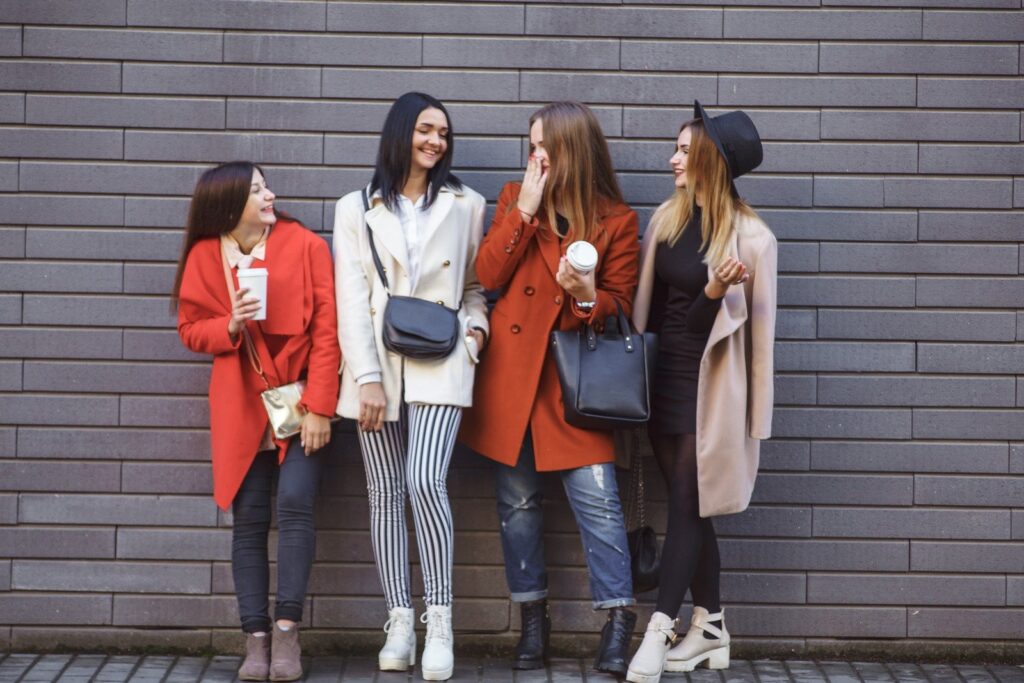
Cultural and Emotional Roots in Style
For many, fashion is a deep connection to culture, heritage, and community. Traditional dress, regional patterns, or ancestral jewelry pieces can carry pride, history, and emotion. Wearing these elements isn’t just about appearance it’s about belonging, honoring identity, and holding onto something meaningful in a modern world that often asks us to blend in.
Emotion also plays a massive role in how we dress. Some days, we reach for cozy, oversized sweaters for comfort. Other days, we pick sleek silhouettes and structured pieces to feel composed. There’s no right or wrong only authenticity. Dressing with emotional awareness can even be a form of self-care, a way to connect with how we feel and what we need.
Fashion Is Fluid And So Are You
Identity isn’t static, and neither is your wardrobe. Who you are today might not be who you were five years ago or even six months ago. And that’s okay. Maybe you’re transitioning careers, exploring new parts of your personality, or simply growing into someone more self-assured. Your style can evolve with you, and it should.
Let go of the pressure to “have a signature look” and instead embrace the freedom of change. Some days you might feel like dressing sharp and polished, other days you’ll want to throw on sneakers and a graphic tee. Both versions are equally you. Let fashion be a mirror not a mask.
Owning Your Style Owning Your Power
There’s a confidence that comes with dressing in alignment with your true self. It shifts how you walk into rooms. It changes how you engage with others. When you stop dressing to impress and start dressing to express, something inside you unlocks. You no longer need validation from outside sources your reflection becomes enough.
And perhaps most importantly, dressing for yourself invites others to do the same. When people see someone living authentically, it gives them silent permission to show up more honestly, too. That’s the kind of impact personal style can have that goes beyond clothing and touches the heart.
Final Thoughts
Fashion, at its core, is about the freedom to decide how you want to show up in the world. It’s a tool for telling your story, for embracing your complexity, and for celebrating your uniqueness. The world doesn’t need more clones or trend followers. It needs people brave enough to wear who they are.