Interior design is often seen as a polished, effortless process of perfectly styled rooms that seem to flow naturally from a creative vision. But what you see in magazines and on Instagram is just the final product. Behind the scenes, professional designers rely on a toolkit of strategies, psychological tricks, and industry knowledge that rarely gets shared with the general public. These are the secrets that separate a good design from a great one and if you’re ready to level up your space, it’s time to pull back the curtain.
Whether you’re designing your home from scratch or just refreshing a tired room, understanding these insider tips can make all the difference. Let’s explore the unspoken truths of interior design that the pros don’t often reveal but that will completely transform the way you decorate.
1. The Best Designs Don’t Follow Trends Blindly
While design trends offer inspiration, the best spaces don’t rely on what’s currently in fashion. Professionals might incorporate trending colors or materials in subtle ways, but they always prioritize the homeowner’s personality and lifestyle first. Following a trend too closely can quickly make your home feel dated once the style fades.
Instead, designers often use timeless base elements like neutral palettes, quality furnishings, and classic shapes and layer in trendier accents that can be easily swapped out. That way, the space evolves gracefully without needing a complete overhaul every few years.
2. Scale Is Everything And It’s Often Overlooked
One of the most common mistakes in DIY decorating is getting proportions wrong. A tiny rug in a large living room, a sofa that overwhelms the space, or artwork that’s too high these subtle errors can throw off an entire design.
Designers spend a lot of time planning the scale and layout of furniture and decor. They know that properly sized pieces create visual balance and allow the room to “breathe.” A general rule? Choose larger rugs and statement pieces than you think you need they’ll often make the room look more spacious and intentional.
3. Lighting Can Make or Break a Space
Most people think of lighting as an afterthought, but professionals know it’s one of the most powerful design tools. Lighting creates mood, defines zones within open spaces, and enhances color and texture. It’s not just about choosing a beautiful fixture it’s about layering light sources for both function and ambiance.
The secret? Use a mix of ambient (overhead), task (reading or kitchen lights), and accent (lamps, sconces) lighting. And always consider the color temperature warmer tones (around 2700K–3000K) tend to create a cozier, more welcoming feel.
4. White Paint Isn’t Always the Safe Option
It might seem like white is a foolproof color after all, it’s clean, bright, and neutral. But pros know that choosing the right white is actually one of the hardest tasks. Every white has an undertone: some are warm, others cool. And depending on the natural light in the room, a white that looked perfect in a store might appear yellow, blue, or even gray at home.
Designers often test multiple paint samples on the wall and observe them at different times of day. This extra step helps them avoid a cold, clinical feel and ensures the color complements the room’s light and furnishings.
5. Texture Adds More Than Color
Color gets all the attention, but texture is what gives a space depth and interest. A monochromatic room can still feel rich and dynamic if it includes varied textures think soft velvet, natural wood, smooth metal, or chunky knit fabrics.
Designers use texture to engage the senses and add contrast. In fact, they often choose a limited color palette and let textures do the talking. It’s one of the simplest ways to make a room feel cozy and curated.
6. Negative Space Is a Design Element
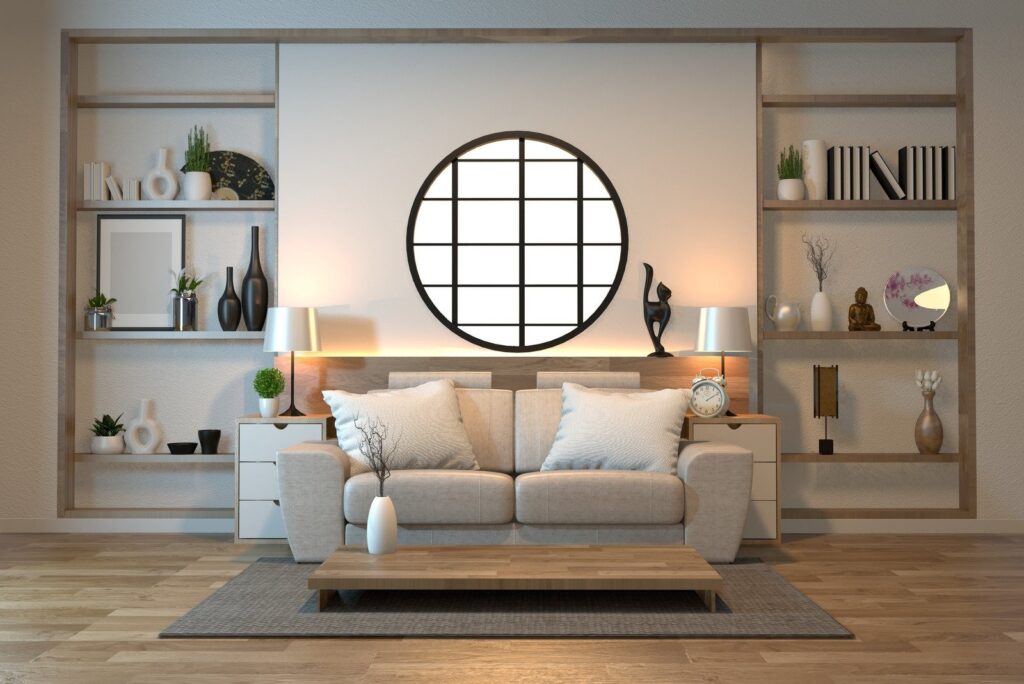
Ever notice how designer homes don’t feel cluttered, even when they’re full of beautiful pieces? That’s because pros intentionally leave room for the eye to rest. Empty space often called “negative space” helps highlight focal points and brings clarity to the overall design.
You don’t need to fill every wall or corner. Sometimes, what you leave out is just as important as what you include. Give your design elements space to breathe, and your room will instantly feel more polished.
7. Personalization Matters More Than Perfection
While professional designers love symmetry and balance, they also know that a home should reflect the people who live there. That’s why they often incorporate personal items family photos, travel souvenirs, handmade pieces even if they don’t match the rest of the decor perfectly.
It’s the imperfections and quirks that give a home soul. A space that feels too “designed” can come off as sterile. Personal touches create emotional connection and make a house feel truly like home.
8. Designers Always Plan Before They Buy
Impulse buying is one of the fastest ways to derail your interior design goals. Professionals never walk into a store and just “see what works.” They begin with a mood board, floor plan, and clear color palette. Every piece is measured, sourced, and chosen with a purpose.
Even when budget is tight, a solid plan ensures that you won’t waste money on items that don’t fit or clash with your vision. Designers know that the best results come from strategy, not spontaneity.
9. Custom Looks Don’t Have to Be Expensive
Here’s a little-known truth: pros often combine high and low pieces to create that luxury, bespoke look. While they might splurge on a sofa or lighting, they’ll save by shopping for side tables, art, or decor at more affordable retailers. It’s all about balance.
Designers also use tricks like swapping hardware on cabinets, customizing curtains with trim, or painting inexpensive furniture to create one-of-a-kind looks without the custom price tag.
10. It’s OK to Break the Rules
Finally, the best-kept secret in interior design: rules are meant to be broken. Yes, there are guidelines but sometimes, the most striking spaces come from breaking conventions in just the right way. An oversized light fixture, a bold color in a tiny room, or mismatched chairs around a dining table can all work when done with confidence and intention.
Designers aren’t afraid to experiment. They trust their instincts and you should too. If something speaks to you and fits your lifestyle, don’t be afraid to try it.
Conclusion
Interior design isn’t just about creating a pretty space it’s about crafting an environment that supports your life and tells your story. By understanding the secrets that pros use behind the scenes, you can make smarter decisions, avoid common pitfalls, and design a home that’s both beautiful and meaningful.